The process begins with the selection of ingredients. These typically include solvents (like ethyl acetate or butyl acetate), film formers (like nitrocellulose), plasticizers (like dibutyl phthalate), and coloring agents. The proportion and type of each ingredient vary depending on the desired characteristics of the nail polish, such as color, consistency, and drying time.
2. Primary Packaging
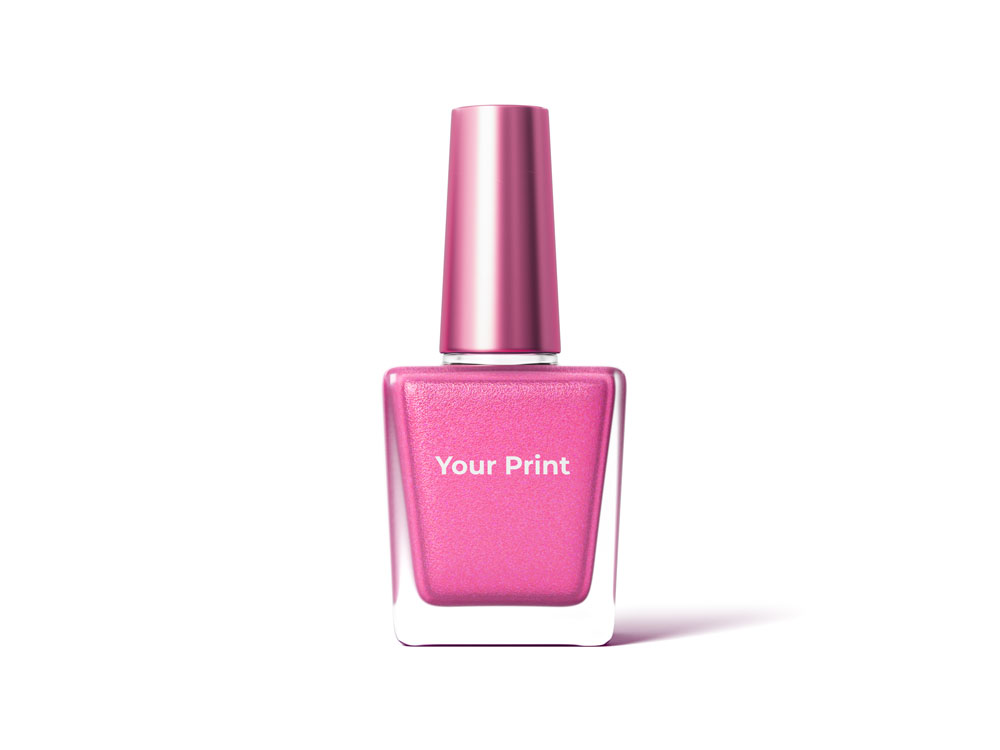
Typically, as packaging for nail polish, small glass bottles are preferred due to their non-reactive nature, which preserves the polish’s color and chemical composition. These bottles come in various shapes and sizes, allowing your brand to differentiate. The overall goal is to balance aesthetic appeal with functional design.
3. Color and Mixing
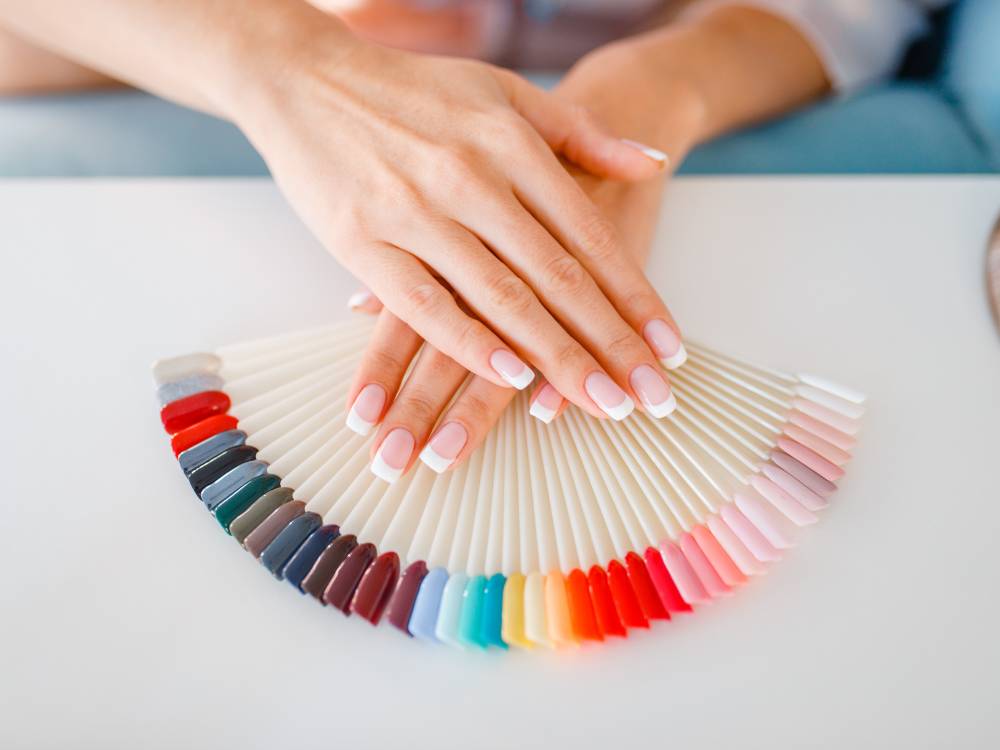
Once the ingredients are selected, they are mixed in large, industrial mixers. For the color you either choose an existing one or develope your own. Pigments and dyes are blended to create an array of shades. This phase includes testing samples to ensure the color matches the intended hue and consistency.
4. Quality Control
Quality control involves checking the nail polish for parameters such as viscosity, texture, and drying time. Stability tests are also conducted to see how the polish reacts to various environmental factors like light and temperature.
5. Filling
After your nail polish passed our strict quality control, and you approve the final sample, we start filling the bulk into the bottles.
6. Labeling and Branding
The labeling and branding of your nail polish bottles provide essential product information and make your product align with your brand design. You basically have two main options for this: adding labels and/ or printing directly onto the bottle.
Choose your Formula
Private Label Nail Polish Bulk Options
1. Regular Nail Polish
Manufacturing regular nail polish involves a simple formulation process.
It typically includes a blend of nitrocellulose, plasticizers, solvents, and color pigments. This type of polish dries by solvent evaporation.
The manufacturing process allows for a wide range of color experimentation, making it suitable for brands looking to offer a diverse color palette.
2. Gel Nail Polish
Gel nail polish requires a more complex manufacturing process.
It includes photoinitiators in addition to the regular polish ingredients, which react under UV or LED light to cure the polish. This process creates a more durable, long-lasting polish.
Manufacturing gel polish is ideal for brands targeting customers seeking high-quality, professional-grade products.
3. Vegan Nail Polish
Vegan Nail Polish is distinct in its formulation by consciously avoiding any animal-derived ingredients and commonly used toxic chemicals.
In traditional nail polishes, ingredients like guanine (often sourced from fish scales) for shimmer, and carmine (derived from cochineal insects) for red hues, are common.
Vegan nail polishes eliminate such components.
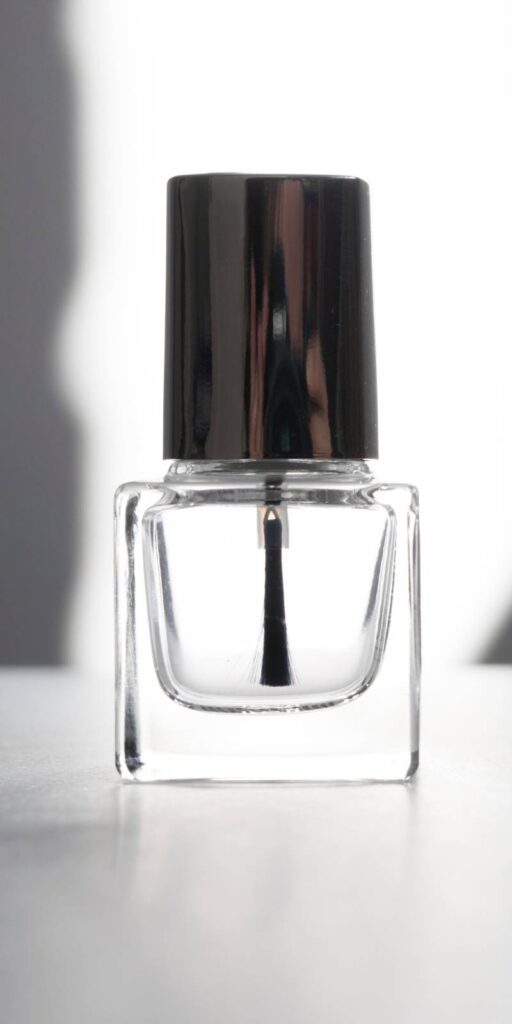
Made out of 3 Components
Private Label Nail Polish Packaging Options
Brush
Bottle
Lid
1. Nail Polish Bottle
Choose from a range of bottle designs to match your brand’s aesthetic. We offer various shapes, sizes, and materials to suit your needs. From sleek, minimalist designs to more elaborate and luxurious options, we have bottles to suit every brand’s image.
2. Nail Polish Brush
The right brush can significantly enhance the application experience. Our selection includes brushes of varying widths and bristle types, ensuring precise and even coverage. We help you choose the best brush type that complements your nail polish formula and application style.
3. Nail Polish Lid
Finalize your product’s look with our array of lid options. We offer lids in different materials, colors, and designs, each ensuring ease of use and aesthetic appeal.
Contact us
Ready to start your own Private Label Cosmetics Line?
The first step can be difficult. But we make it as easy as possible for you. Let’s bring your vision to life together! Request your desired products now and get a free consultation.