
| Name | Location | |
|---|---|---|
| 1 | SBLC Cosmetics | Munich, Germany 🇩🇪 |
| 2 | Pennelli Faro | Casalmaggiore, Italy 🇮🇹 |
| 3 | Anisa | Atlanta, USA 🇺🇸 |
| 4 | Crown Artist Brush | London, United Kingdom 🇬🇧 |
| 5 | Zahn | Bechhofen, Germany 🇩🇪 |
| 6 | Taika USA | New Jersey, USA 🇺🇸 |
| 7 | Lineo | Wieseth, Germany 🇩🇪 |
| 8 | FM Brush Company | New York, USA 🇺🇸 |
| 9 | Jordane | New York Ontario, Canada 🇨🇦 |
| 10 | Color Strokes | New York, USA 🇺🇸 |
| 11 | Audrey Morris | Florida, USA 🇺🇸 |
1. SBLC Cosmetics
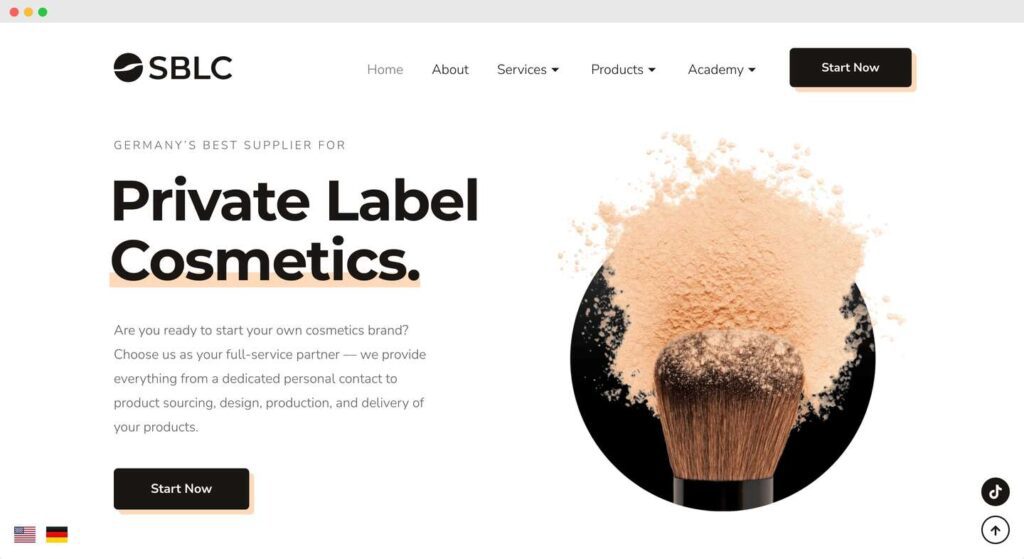
- Munich, Germany 🇩🇪
In addition to offering color cosmetics and skincare products, we also specialize in makeup brushes.
We have a wide range of ready-to-go private label makeup brushes starting from just 1000 units MOQ.
2. Pennelli Faro
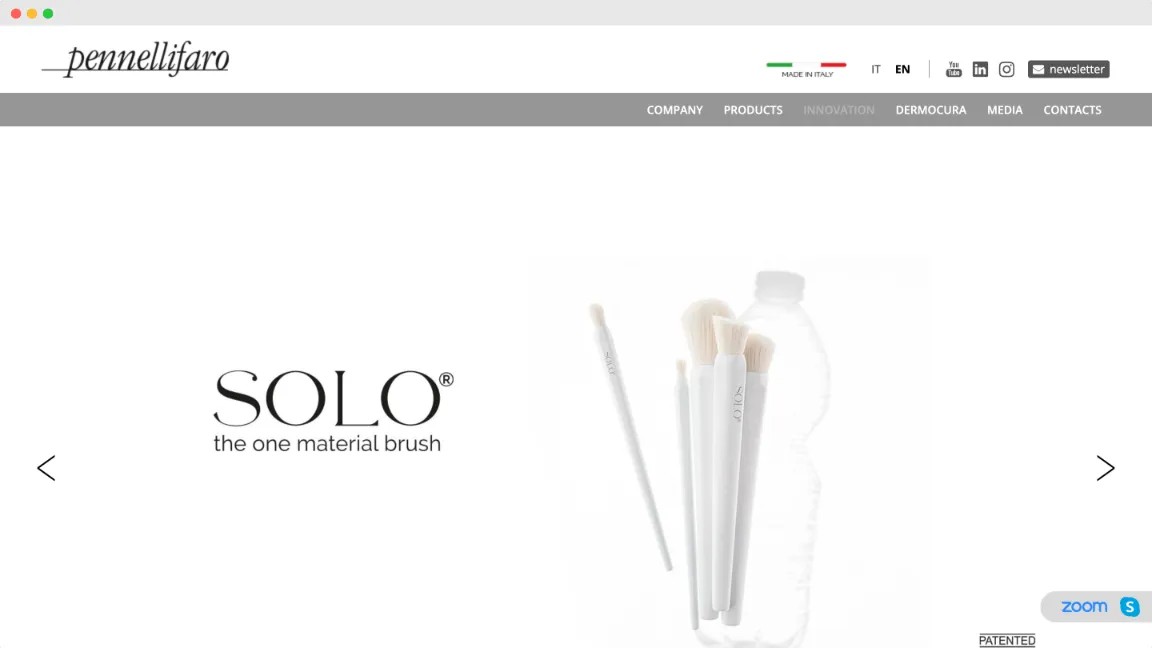
- Casalmaggiore, Italy 🇮🇹
For brands that want to offer Italian makeup brushes, Pennelli Faro offers elegant options for cosmetic brushes and sponges. Brands that are looking to cater to professional makeup artists will like that this company also manufacturers professional brush holders and accessories.
3. Anisa
- Atlanta, USA 🇺🇸
Anisa is a female-owned brush manufacturer specializing in cruelty-free brushes and skincare tools. In addition to providing production and quality control, the company also offers marketing launches services for its clients.
4. Crown Artist Brush
- London, United Kingdom 🇬🇧
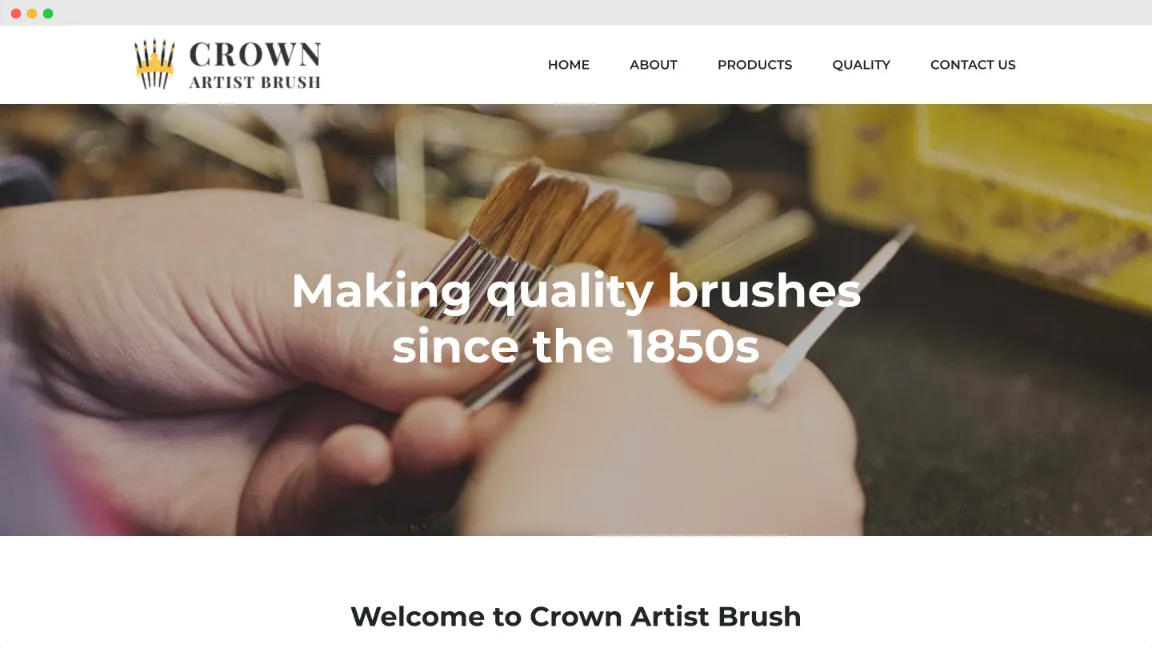
Crown Artist Brush is a legacy company that began manufacturing artist brushes on London’s Oxford Street in the 1850s. While Crown Artist Brush is still regarded as one of the world’s best brush manufacturers, the company now applies its craftsmanship to makeup brushes. Ideal for elite cosmetic brands, the company uses natural and synthetic materials to create bespoke makeup brushes.
5. Zahn
- Bechhofen, Germany 🇩🇪
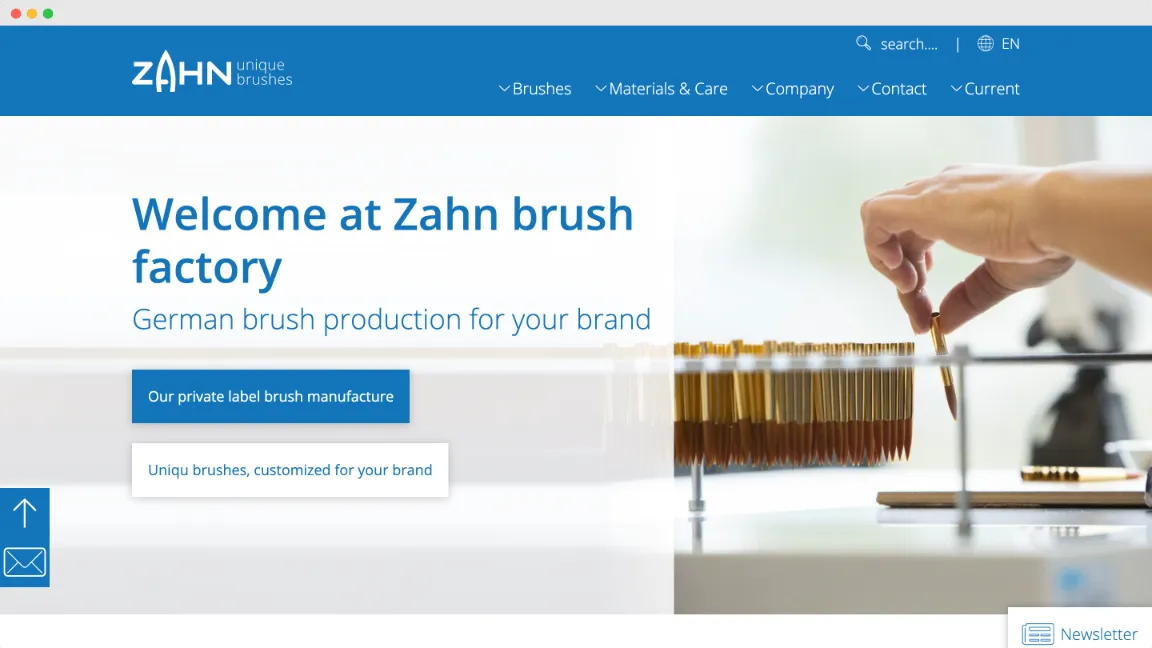
What’s interesting about Zahn is that this brand is actually known for making dental brushes, technical brushes, and artistic brushes. However, brands that work with this company can also have individual cosmetic brushes made with custom imprints.
6. Taika USA
- New Jersey, USA 🇺🇸
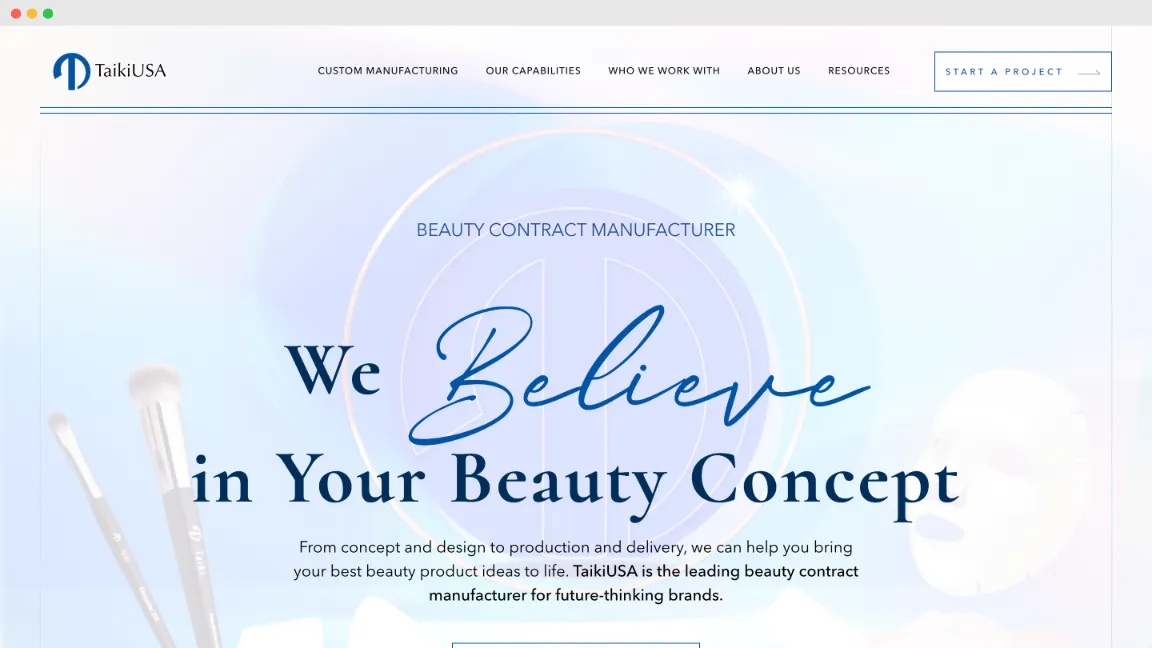
Taika USA is a leading contractor manufacturer for makeup brushes and beauty applicators. The company has a reputation of working with both major cosmetic labels and budding brands. In addition to offering high-quality products, Taika USA always prioritizes sustainable and eco-friendly production standards.
7. Lineo
- Wieseth, Germany 🇩🇪
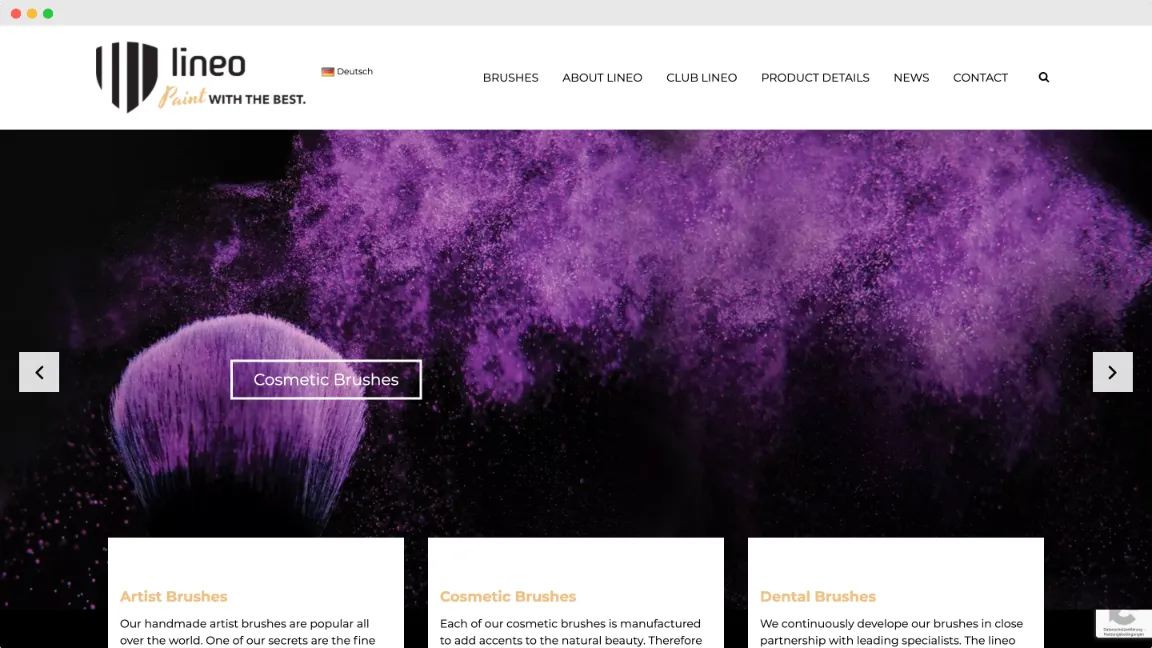
Lineo manufactures all of its brushes using natural hair or synthetic fibers paired with seamless silver ferrules. When choosing natural hair, customers can pick between goat hair, squirrel hair, pony hair, and exclusive red sable. Handle choices include real wood and beveled Plexiglas.
8. FM Brush Company
- New York, USA 🇺🇸
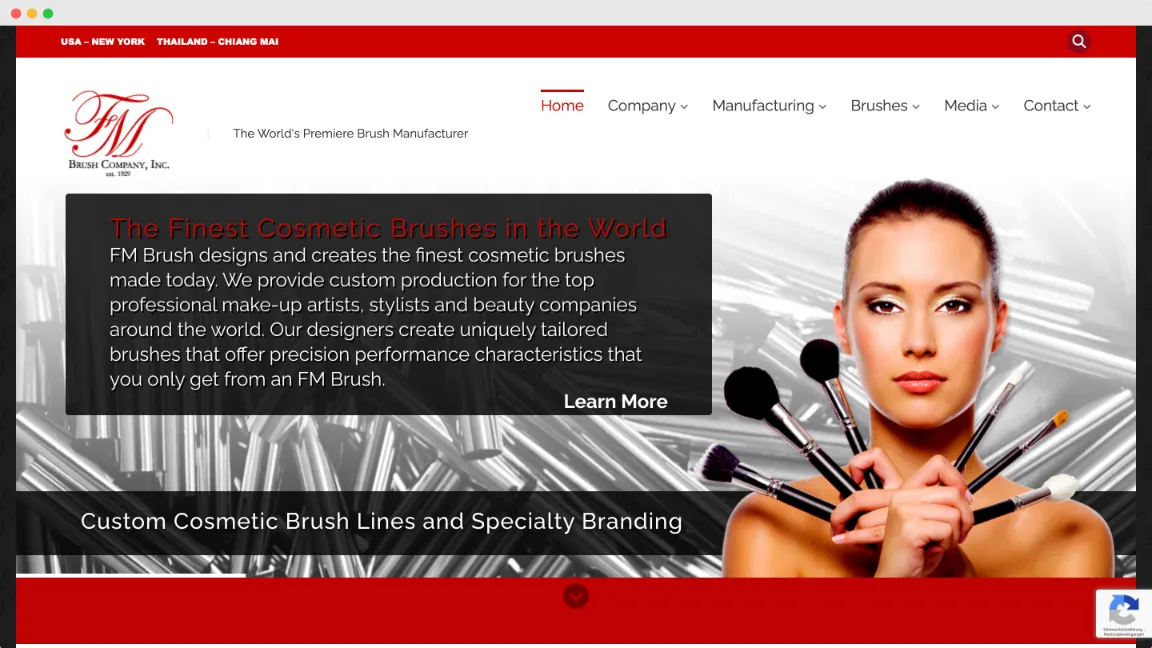
FM Brush Company’s niche is luxury makeup brushes. The company offers more than 17,000 brush styles with expansive options for brush material and size. Clients can choose from a selection of lacquered dipped handles and seamless ferrules.
9. Jordane/Nature’s Own Cosmetics
- New York Ontario, Canada 🇨🇦
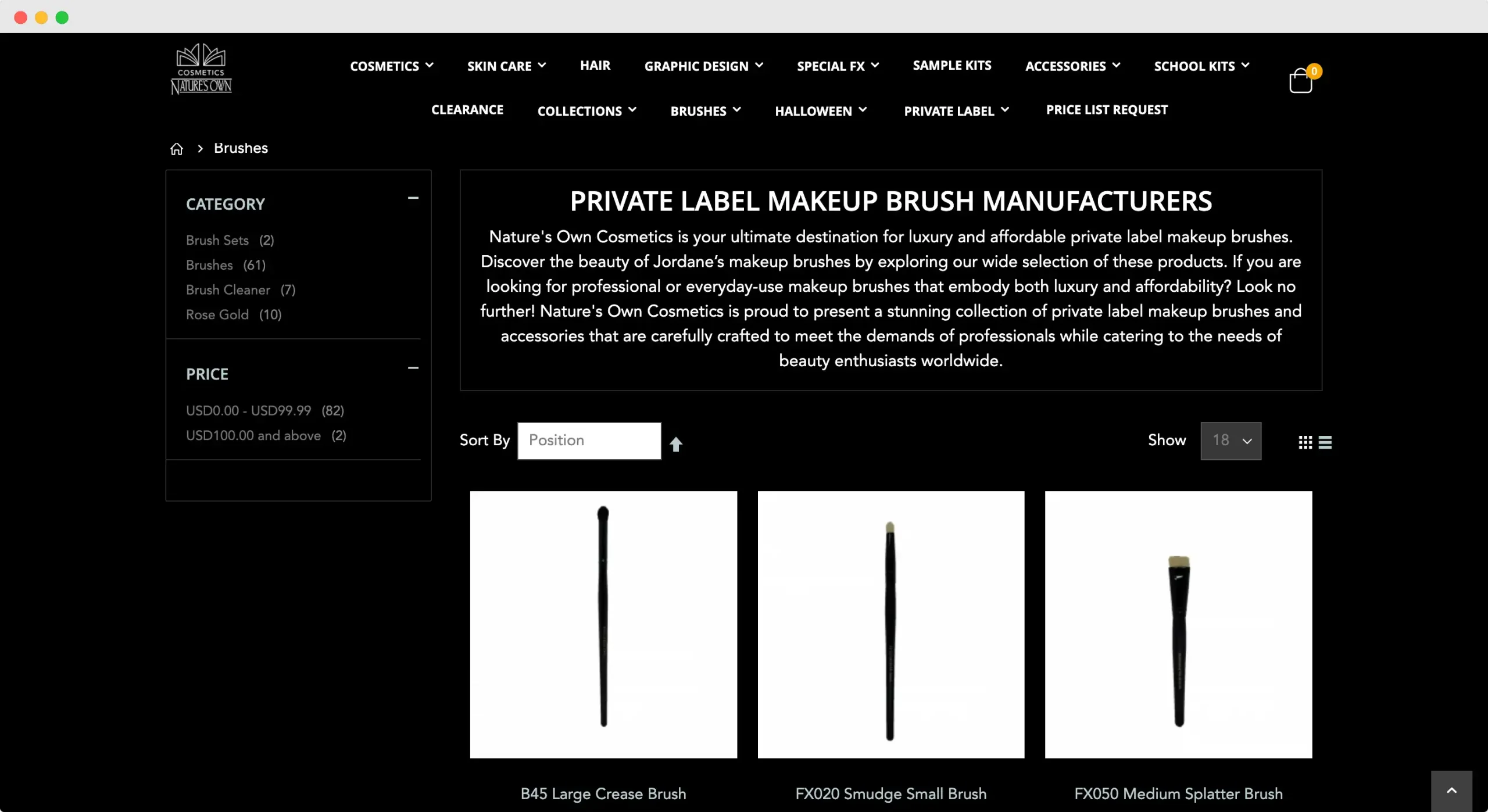
Jordane makeup brushes by Nature’s Own Cosmetics offer affordable private-label options. Available designs are suited for the needs of professional makeup artists. However, the company also provides many cost-effective options that are ideal for consumer brands.
10. Color Strokes Cosmetics (Division of Brushes by Karen)
- New York, USA 🇺🇸
Known for manufacturing natural and organic cosmetics, Color Strokes Cosmetics also offers a comprehensive lineup of made-in-USA makeup brushes. Manufacturing options include both natural brushes and cruelty-free brushes. Color Strokes brushes can be especially beneficial for makeup brands that are looking for tools that work nicely with mineral-based cosmetics.
11. Audrey Morris Cosmetics
- Florida, USA 🇺🇸
Audrey Morris Cosmetics produces vegan-friendly synthetic makeup brushes in the United States. The company’s manufacturing capabilities include individual brushes, brush sets, disposable applicators, and makeup sponges. While brushes produced by Audrey Morris can be customized, all designs feature a matte black handle.
There was a time when makeup brushes were strictly the tools of professional makeup artists.
While consumers occasionally splurged on blush brushes for fuller application, the makeup brush obsession that has hit the mainstream market today is mostly owed to the rise of beauty influencers.
Today’s makeup consumer wants a specialized brush for every single product. For makeup brands, offering top-tier brushes can be a real selling point!
This guide to makeup brushes covers everything brands in the beauty market need to know about creating high-quality brushes.
What Are the Different Types of Makeup Brushes?
The first question when creating custom makeup brushes comes down to using synthetic versus real hair.
Synthetic brush fibers are made from nylon and other plastics that have been refined to have the look, touch, and performance of natural hair brushes.
Real hair brushes are commonly made of sable, rabbit, or pony hairs.
With materials selected, a brand can move on to designing a lineup of makeup brushes based on application type. If you have a cosmetic lineup, aligning the brushes you sell with the products you sell is a great way to create uniformity.
Here’s a look at common makeup brushes offered by cosmetic brands today:
1. Foundation Brush
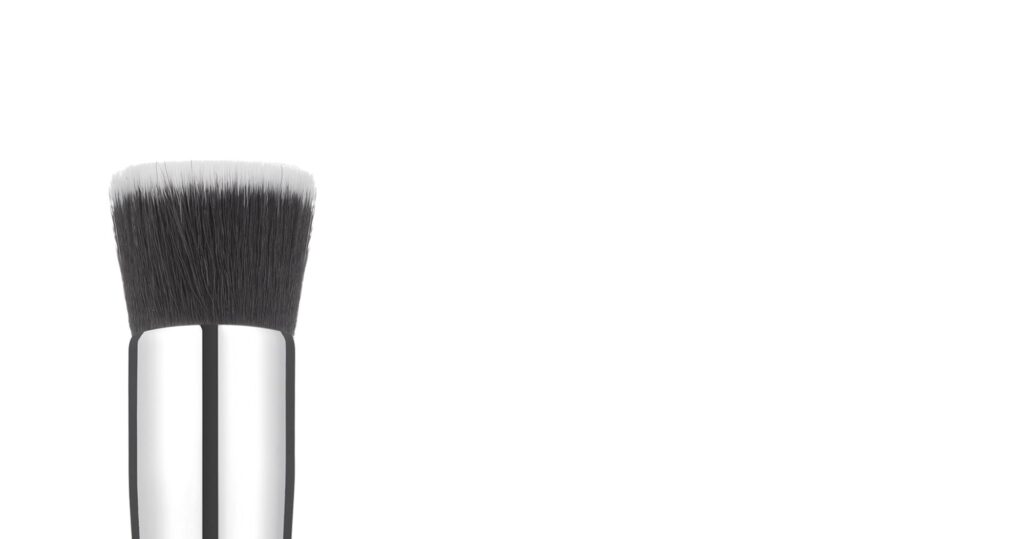
Designed to help liquid and cream foundations blend flawlessly into skin, foundation brushes are the most substantial brushes on the market. They tend to have thick, easy-to-grip handles. They also have flat, dense bristles that can hold a lot of product at once for full coverage.
2. Concealer Brush
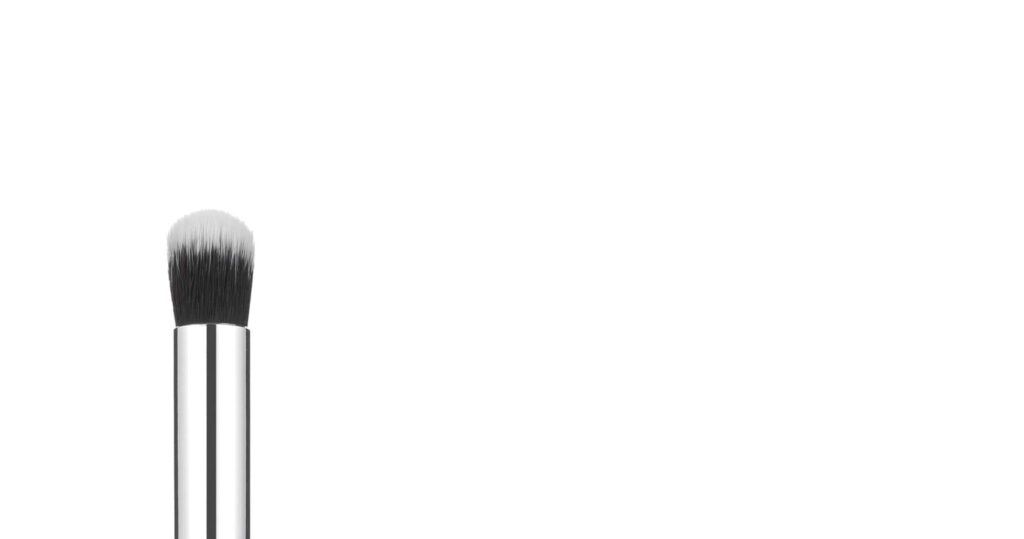
Designed to allow for “dabbing and smoothing” in strategic areas around the eyes, nose, mouth, and forehead, the concealer brush is typically a smaller brush with a flat, slightly pointed tip.
3. Contouring Brush
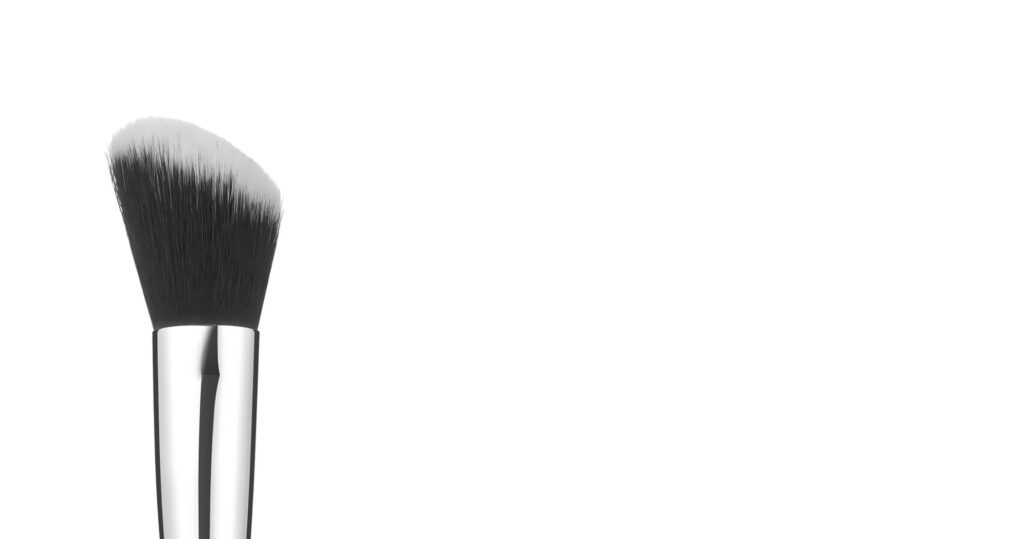
While similar to a foundation brush, a contouring brush has an angled head that allows the user to draw thick and precise lines all around the face that can then be blended in order to create precise shadows and highlights. A thick handle allows for a firm grip and tight control while layering different shades.
4. Powder Brush
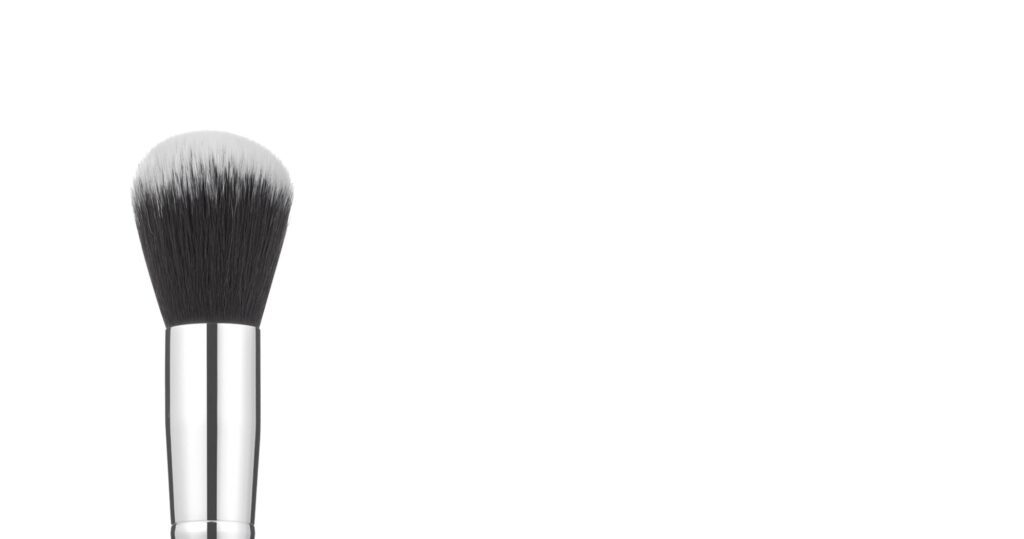
Perfect for applying loose and pressed powder all over the face as the finishing touch, the powder brush is fluffier and softer than a foundation brush. Its large size allows for quick and even application all over the face to create a shine-free natural finish.
5. Eyeshadow Brush
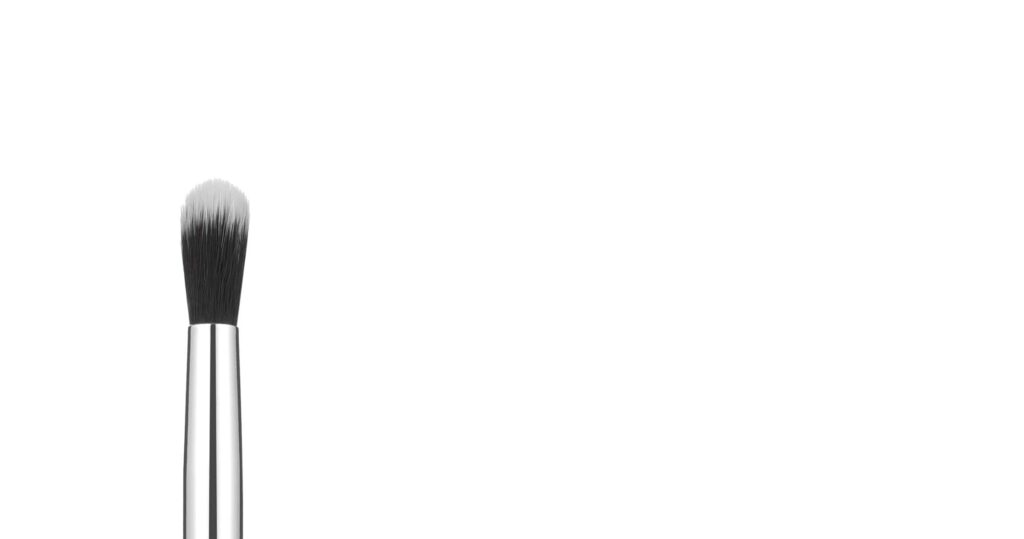
Eyeshadow brushes come in a variety of shapes and thicknesses. In fact, they are often sold in sets that allow the user to use different application techniques for different colors and textures that will be applied in various spots on the lid. While shapes and sizes vary, all eyeshadow brushes are generally thin and narrow to allow for detailed application.
6. Eyeliner Brush
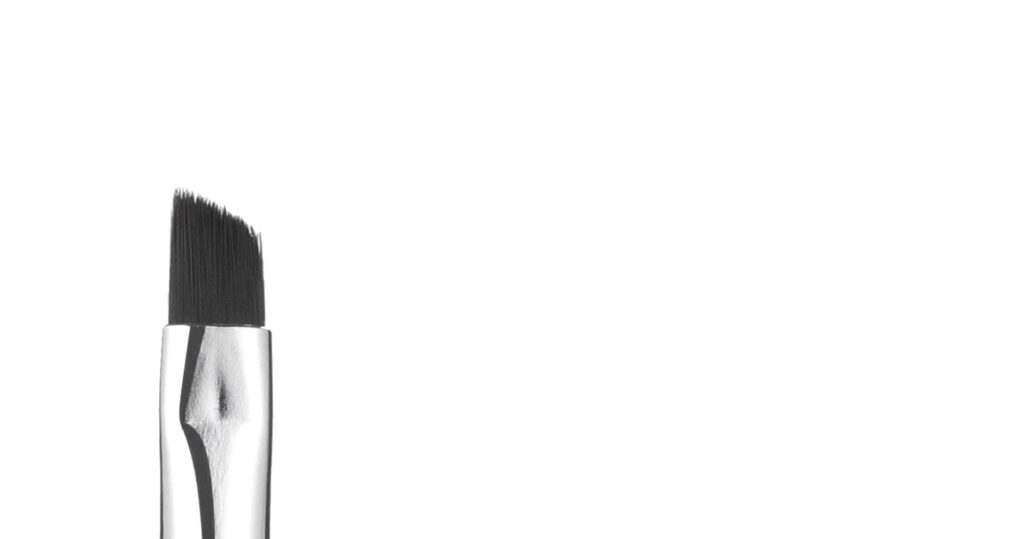
An eyeliner brush is designed to create cleanliness along the lash line when applying powder, liquid, or gel eyeliners. Slanted designs are often included in sets to help achieve winged looks.
7. Eyebrow Brush
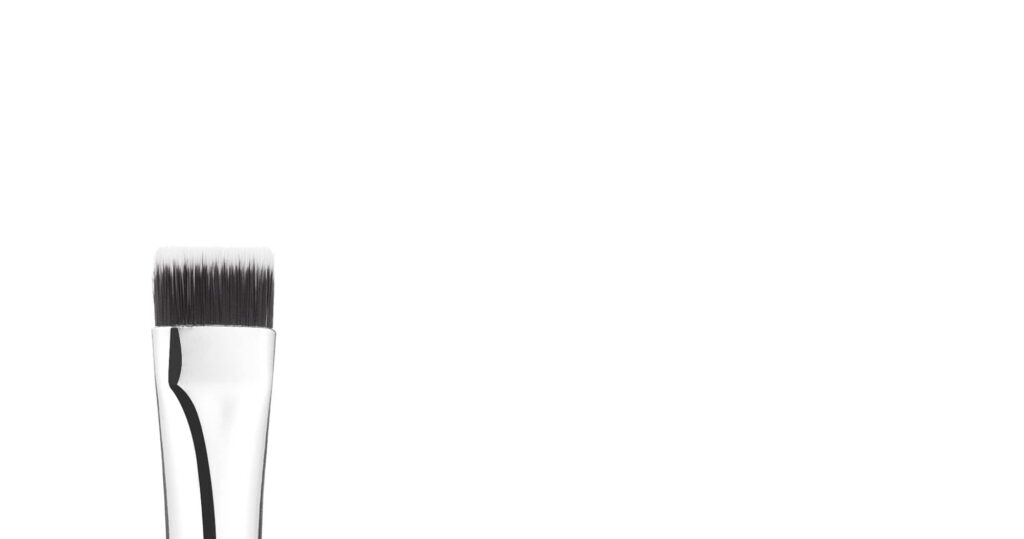
Gaining popularity in recent years, the eyebrow brush is designed to be used with eyebrow powder or eyebrow “mascara” to fill in or groom brows. Unlike traditional makeup brushes, an eyebrow brush generally has a dual-ended design that combines a traditional soft-bristle brush with a wand-like spoolie that smooths and separates brows.
How Are Makeup Brushes Manufactured?
Makeup brushes manufacturers create brushes using a variety of different materials. However, the blueprint for a brush is universal. The three components of a makeup brush are the bristled crown, the handle, and the ferrule.
The ferrule is the metal “connector” on the brush that links the handle and head.
Next, take a look at the typical step-by-step process that goes into creating a makeup brush.
1. Bristle Preparation
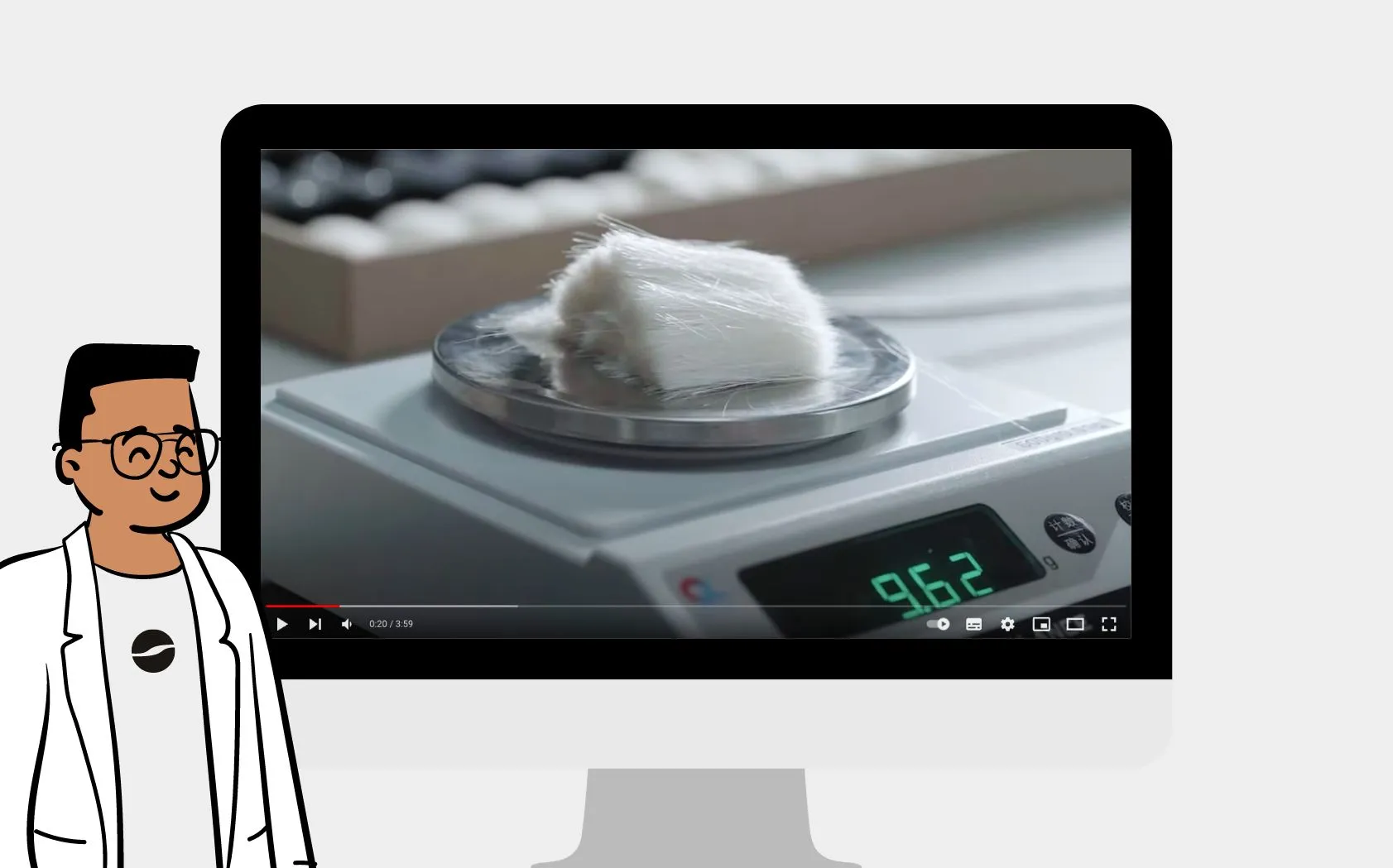
The most important thing to know about this step is that all bristles are carefully weighed after selection to ensure that each brush has the same density. After bristles are weighed, they are smoothed out to ensure that they provide smooth, knot-free performance when picking up makeup.
This step is important because knots or inconsistencies in a brush could result in streaking.
Finally, a special machine is used to align all of the bristles in the same direction. Bristles are often placed into special molds to create precise shapes.
2. Tying
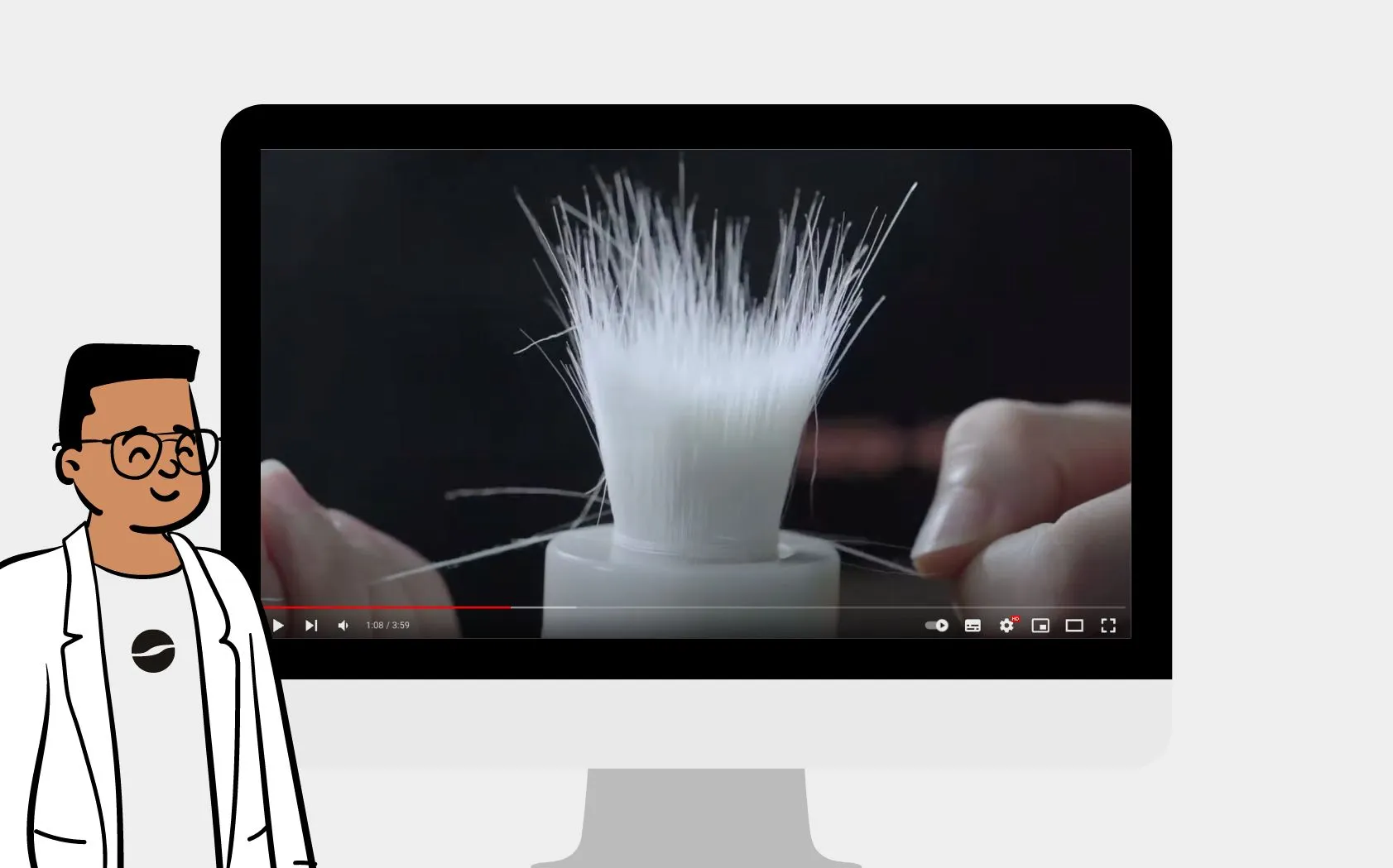
Next, bristles are secured together with wire or another binding material. This is where loose strands become a “brush.” Based on the type of brush being made, the shape and size of the bristled brush head will vary.
The bristles will also be shaved down to create a curved, angled, tapered, or blunt shape that can be used for various applications. Any bristles that haven’t neatly conformed on the brush head will be pulled out.
If a brush needs to have a flat shape, it will be compressed.
3. Gluing
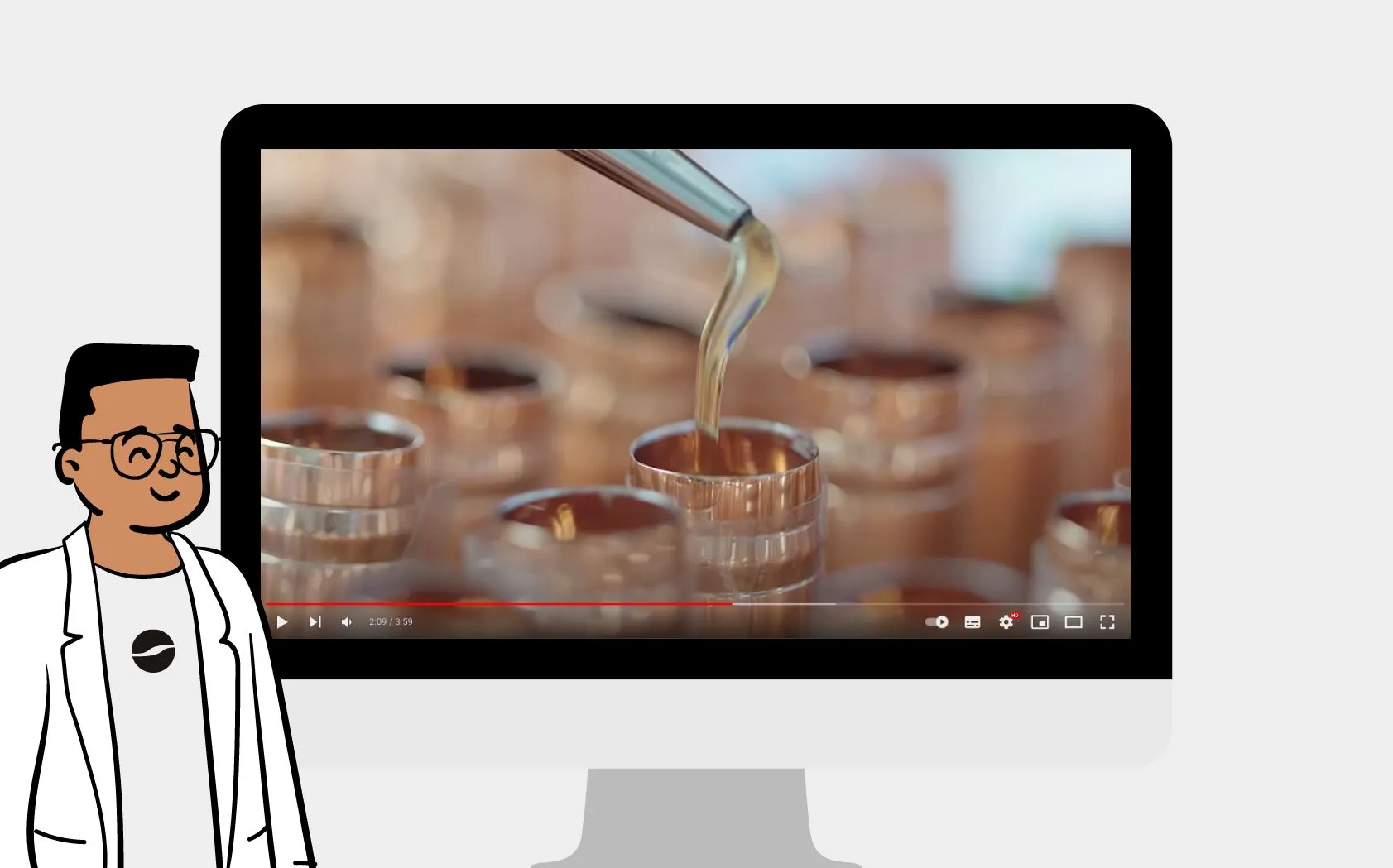
The next step is turning the bristles and ferrule into a single unit that can be attached to a handle. In order to secure the treated bristles to the metal ferrule, an adhesive is applied to the ferrule.
Next, the bundle of bristles that make up the brush head are placed in the base.
4. Handle Creation and Finalization

Handle production can look different based on the material that is selected. With a wood handle, the wood is put through a mill featuring rotating blades that create an elongated shape. For plastic brushes, plastic is formed in molds.
If a makeup brush handle is being branded, a stamping machine will be used to dips a stamp into paint before pressing it against the handle.
Source: EIGSHOW Beauty
3 Tips To Identify A Good Makeup Brush Manufacturer
Consumers know when a brush just doesn’t cut it from the first moment they dip it into their favorite concealer or eyeshadow. That’s why it’s so important for brands to only work with high-quality makeup brush manufacturers.
There are two main features to look for when choosing a manufacturer to bring your designs to life. The first is the capacity to create a wide range of different brush styles and sizes. The second is impeccable quality control.
1. Handmade
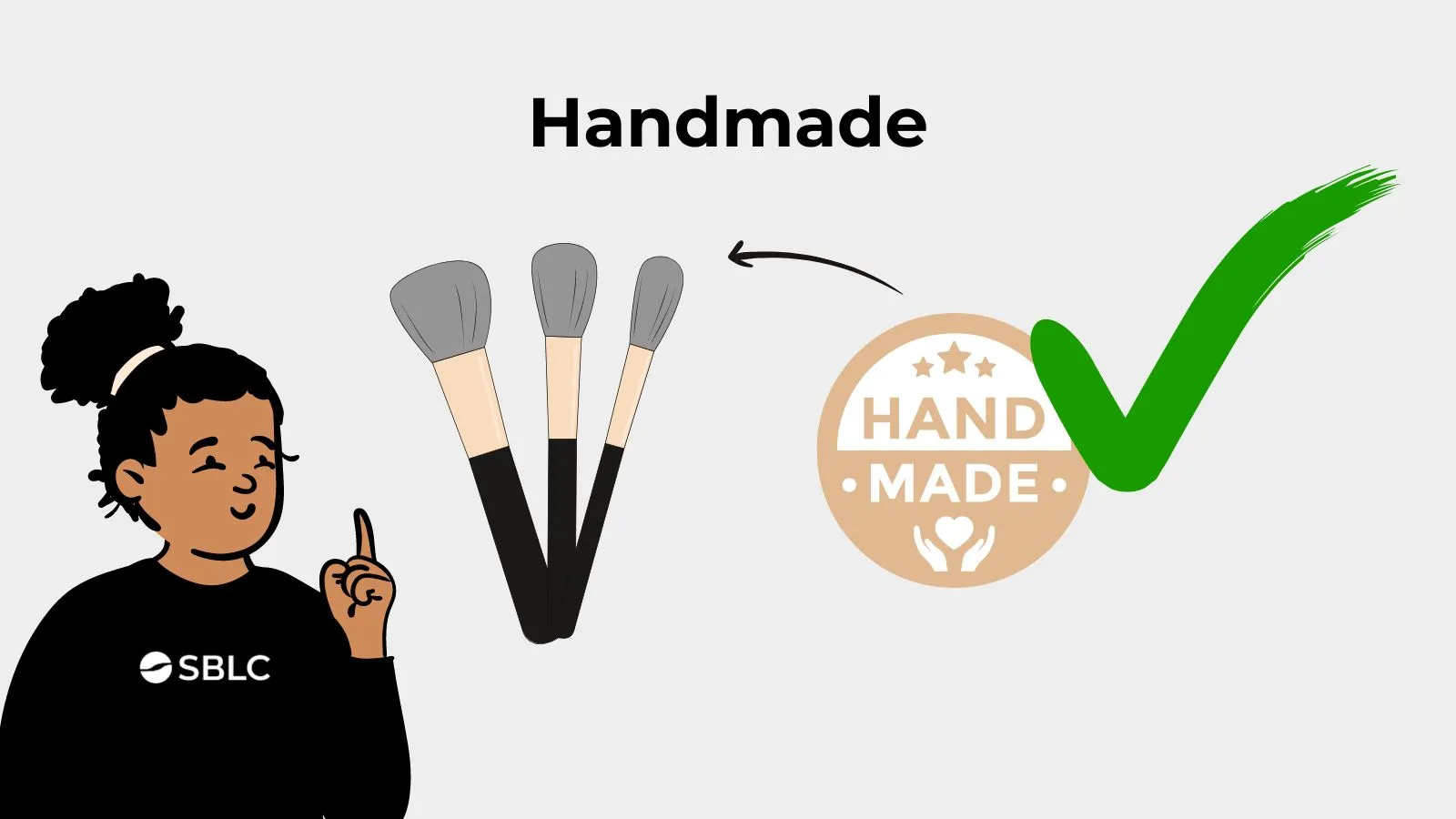
While some aspects of makeup brush manufacturing are automated, it’s still important for a brand to use human intervention to refine brushes. For example, brushes may need to be trimmed at various points of the production process.
2. Stress Test
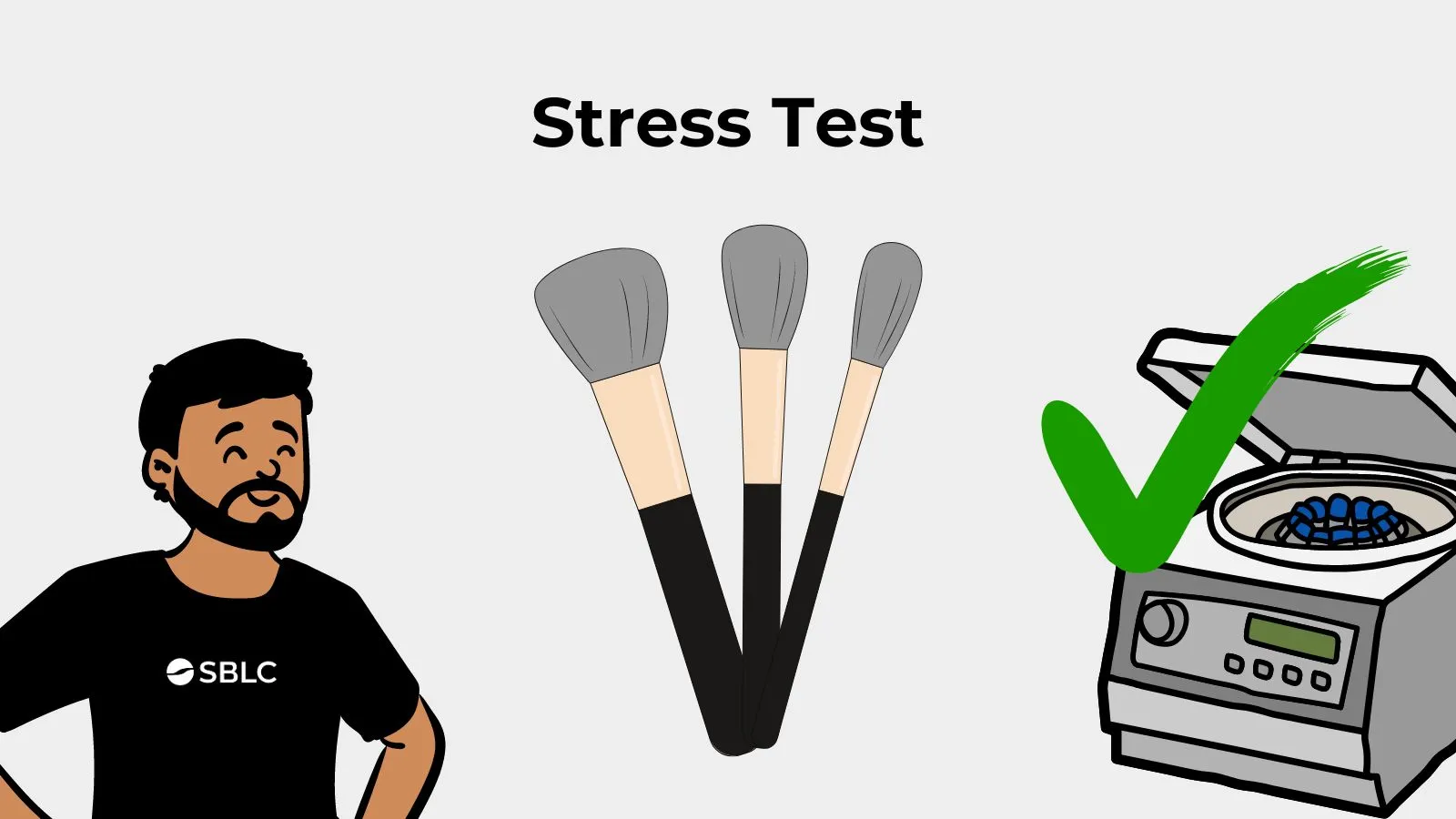
Aside from ensuring that brushes are up to standard when it comes to production and aesthetics, a reputable makeup brush manufacturer must also be concerned about safety.
How will your brush perform for customers over time? Your makeup brush manufacturer should be able to tell you based on research.
Only agree to work with a company that includes product stress tests that confirm the durability of brushes by ensuring that they can withstand regular use without breaking or degrading.
3. Allergenic Test

Finally, a makeup brush manufacturer should also use hypoallergenic tests to guarantee that bristles are suitable for all skin types without causing irritation or breakouts.